Medical technology adoption in Dubai requires understanding a multi-layered regulatory system before any product reaches patients. Innovators must coordinate with federal UAE authorities and Dubai-specific bodies, prepare technical documentation, and secure local partnerships to enter the market successfully. The process is structured, but manageable with the right preparation.
Dubai’s healthcare sector operates under both federal and emirate-level oversight. Medical device manufacturers must follow the applicable federal registration requirements through the Emirates Drug Establishment (EDE), which is responsible for regulating medical products, including medical devices, across the UAE. Devices must be registered before they can be imported, marketed, or used in clinical settings across the UAE.
Which Authorities Govern Medical Technology in Dubai?
Three main authorities play important roles in regulating healthcare products and services in Dubai and the wider UAE:
Understanding Medical Technology Regulations in Dubai helps healthcare innovators identify the applicable federal registration requirements and Dubai-specific healthcare rules before entering the market.
Emirates Drug Establishment (EDE): The federal authority responsible for regulating medical products, including medical devices, across the UAE.
Ministry of Health and Prevention (MoHAP): Oversees federal health policies and healthcare services that remain under its jurisdiction.
Dubai Health Authority (DHA): Responsible for healthcare facility licensing, healthcare service regulation, and professional licensing within Dubai.
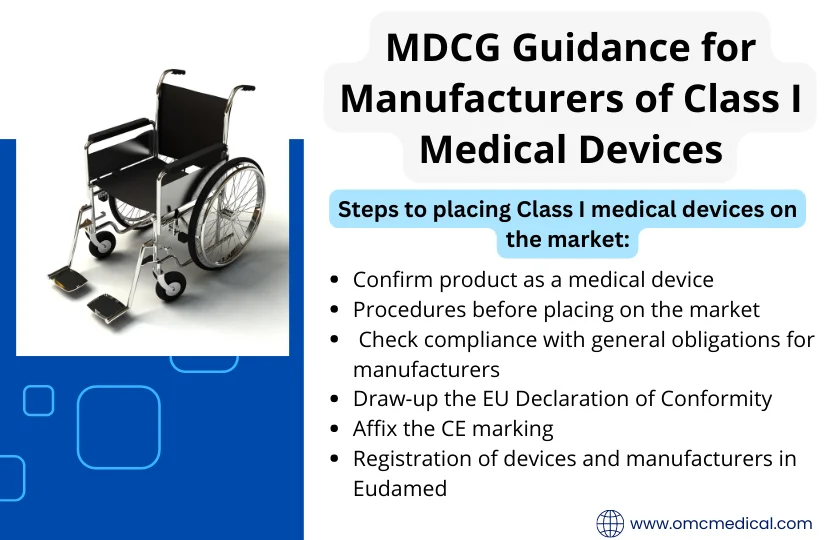
The UAE Medical Device Registration Process follows a risk-based classification system. Devices are categorised from Class I (lowest risk) to Class IV (highest risk), and the required documentation scales accordingly. Manufacturers outside the UAE must appoint a UAE Authorized Representative who acts as the local liaison with regulators.
What Documentation Does Device Registration Require?
Preparing the right paperwork early prevents delays. Common requirements include:
Technical Documentation covering device specifications, design, and manufacturing details
Quality Assurance evidence, such as ISO 13485 certification for the manufacturing facility
Clinical evaluation reports demonstrating safety and performance
Labelling and instructions for use in English and Arabic where applicable
Regulatory consultants familiar with Medical Device Product Registration in the UAE can help confirm whether additional evidence is needed for higher-risk devices.
How Do Digital Health Regulations Differ?
Digital health solutions face additional considerations. Software as a Medical Device (SaMD) may require registration depending on its intended use. Telemedicine platforms must comply with DHA health data policies, while AI-based diagnostic tools are subject to evolving guidelines.
Data privacy is a central concern. The UAE has federal data protection legislation, and DHA enforces specific requirements for patient information handled within Dubai. Innovators should design data governance into their products from the start rather than treating compliance as an afterthought.
What Market Entry Strategies Work in Dubai?
Medical technology market entry in Dubai typically involves one of three routes:
UAE Medical Device Importer Requirements include holding appropriate trade licences and maintaining quality systems for storage and distribution. Selecting the right local partner is often the deciding factor in how smoothly market entry proceeds.

What Common Mistakes Should Innovators Avoid?
Several issues recur among companies entering Dubai’s market. Underestimating documentation timelines is frequent, particularly for higher-risk devices. Overlooking Arabic labelling requirements causes avoidable rejections. Failing to clarify whether software products count as medical devices leads to compliance gaps.
Another common error involves treating UAE registration as a one-time event. Post-market obligations, including adverse event reporting and periodic renewals, remain active throughout the product lifecycle.
What Does Healthcare Innovation in the UAE Mean for New Entrants?
Healthcare innovation in the UAE is supported by dedicated free zones and accelerator programmes, but regulatory compliance remains non-negotiable. The DHA actively encourages digital health adoption, provided solutions meet established safety and privacy standards. Innovators who align product development with regulatory expectations from the outset tend to progress faster than those who retrofit compliance later.
Conclusion
Navigating medical technology adoption in Dubai requires coordinating federal registration, emirate-level health policies, and practical market entry decisions. Success depends on accurate device classification, complete technical documentation, and reliable local representation. OMC Medical provides regulatory consulting support for companies working through these requirements, helping innovators understand what applies to their specific product category.
For guidance on your device classification, documentation readiness, or local partnership strategy, contact OMC Medical to discuss your regulatory pathway.