Medical Devices and IVDs

Product Classification

Product Classification

Purpose of Medical Device Product Classification

Medical device product classification is a system that categorizes devices based on their intended use and inherent risk. This system guides the level of regulatory control needed to ensure their safety and effectiveness.

Risk-based approach: Classifying devices based on risk guides the level of regulatory scrutiny needed. Higher-risk devices require more stringent controls to ensure safety and efficacy.

Premarket requirements: Determines the level of premarket evaluation (e.g., testing, data submission) required for device approval.

Market access: Influences the ease and speed of bringing a device to market.

Transparency: Classification of medical devices helps manufacturers understand their regulatory obligations and provides transparency for patients and healthcare providers.
Device Categories

Invasive and Active Devices

  1. Active Devices: Use an energy source (e.g., electrical, mechanical) to diagnose or treat a medical condition.
  2. Inactive Devices: Do not use an energy source and primarily aid in diagnosis or monitoring.

Based on Sterility

  1. Sterile Devices: Are free from microorganisms and intended for use in sterile environments.
  2. Non-Sterile Devices: Do not require sterility and may come into contact with non-sterile environments.

Based on Invasiveness

  1. Implantable Devices: Are placed inside the body for a period of time.
  2. Non-Implantable Devices: Are used externally on the body or come into temporary contact with it.

Based on Duration of Use

  1. Transient Use: Intended for continuous use for less than 60 minutes.
  2. Short-Term Use: Intended for continuous use between 60 minutes and 30 days.
  3. Long-Term Use: Intended for use for more than 30 days.

Factors Influencing Medical Device Product Classification

  1. Intended use: The device’s purpose and its impact on the human body.
  2. Duration of contact with the body: Longer contact duration often implies higher risk.
  3. Degree of invasiveness: More invasive procedures pose greater risks.
  4. Potential for harm: Devices with the potential for serious injury or death are classified as higher risk.
  5. Novelty: New, untested devices usually require more stringent classification.

Importance of Accurate Medical Device Product Classification

  1. Correct regulatory oversight: Ensures appropriate level of scrutiny for safety and effectiveness.
  2. Efficient development and market access: Faster approval for lower-risk devices.
  3. Post-market surveillance: Higher-risk devices undergo stricter monitoring for adverse events.

Classification Systems

  1. Global variations: Different countries and regions have their own classification systems, though they share common principles.
  2. US FDA: Classifies devices into Class I (low risk), Class II (moderate risk), and Class III (high risk).
  3. EU MDR: Classifies devices into Class I (low risk), Class IIa (medium risk), Class IIb (high-medium risk), and Class III (high risk).

To understand more about specific country regulations and medical device product classification, please follow the links below:

European Medical Device Classification
US FDA Medical Device Classification
India CDSCO Medical Device Classification
GHTF Medical Device Classification
Saudi SFDA Medical Device Classification
South Korea MFDS Medical Device Classification
Australia TGA Medical device Classification

How are medical devices classified?

Regulators group devices into risk-based classes, and the manufacturer or the regulator assigns the class using classification rules. The EU uses classes I, IIa, IIb and III, applying rules in Annex VIII to the device's intended purpose. Other countries use their own class names and rules, so classify each market separately.

What determines the class of a medical device?

The intended purpose set by the manufacturer drives classification, together with factors such as how long the device is used. Rules differ by regulator, so one device can land in different classes in different countries. Write the intended purpose carefully before you classify, because it also affects labeling and claims.

Who decides the class: me or the regulator?

Often the manufacturer decides and must be able to justify the class. Some regulators also publish lists of classified generic device types, so you look yours up and read the matching regulation. Check which approach each market uses, and keep your classification rationale on file.

What do transient, short-term and long-term use mean?

Classification rules often depend on duration of use. In the EU guidance, transient use is normally continuous use for less than 60 minutes, short term is 60 minutes to 30 days, and long term is more than 30 days. Other regulators may define durations differently, so check each market's rules.

How does the class affect my route to market?

Higher classes generally mean more oversight. In Great Britain, low-risk Class I devices without sterile or measuring functions can be self-declared, while higher classes need an independent approved body. In the U.S., the class decides whether a 510(k), premarket approval or an exemption applies.

Can the same device have different classes in different countries?

Yes. Each regulator applies its own system: the EU has four classes with 22 rules, while the U.S. has three classes tied to roughly 1,700 generic device types. Do not reuse one country's class in another submission without checking, and record the class for each market you enter.

How do I find the class of my device?

Use the regulator's classification rules or database. The U.S. regulator lets you search its product classification database by device name or browse medical specialty panels, and the entry shows the class and the applicable regulation. Then check whether an exemption applies, because some lower-class devices are exempt from premarket notification.

How do I know whether my product is a medical device at all?

Regulators look at the intended purpose and mode of action. In Great Britain, a device's principal action must be achieved mainly by physical or mechanical means, not mainly by pharmacological, metabolic or immunological means. For borderline products, ask the regulator for advice before you choose a route.

Which classification system does each country use (India, Sri Lanka, Nigeria, GCC, ASEAN)?

Most countries use a risk-based classification system, but the classification names and rules vary. India and ASEAN member states generally use four risk classes (A–D), while the EU uses Classes I, IIa, IIb and III. Other markets, including Nigeria, Sri Lanka and the GCC countries, have their own regulatory requirements and classification rules. So, check the relevant country page.

Is there a free classification tool OMC can offer?

An indicative classification tool can help you check a likely class, but the final class depends on the intended purpose and the rules of each country. Treat any tool result as a starting point, and have a regulatory specialist confirm it before you submit or rely on it for a registration

How are in vitro diagnostics (IVDs) classified?

IVDs have separate classification rules from other devices in most countries. The class depends on the risk to the patient and to public health. The EU, for example, uses classes A to D under its IVD regulation, and many other regulators use a similar A to D scheme. Check the IVD rules of each target market.

How is software as a medical device classified?

Software is classified by its intended purpose and the risk of the information it provides, such as informing, driving or making clinical decisions, and by the seriousness of the condition involved. Many regulators follow the IMDRF software framework, but rules differ by country. Write the intended purpose precisely and classify the software separately for each market.

How do I reclassify a device after a change of intended purpose?

A new intended purpose, claim or technology can change the class. Re-run the classification under each country's rules, update your technical documentation, then notify or update the registration, which may need a new submission or regulator review. Keep the old and new rationale on file, and do not sell under the old class until the change is accepted.

What are the classification rules 1 to 22 in plain language?

These are the 22 rules in Annex VIII of the EU Medical Device Regulation. They group devices by how they act on the body: non-invasive devices, invasive devices, active devices, and special rules for items such as contraceptives, software and nanomaterials. Higher risk, longer contact and more invasive use move a device into a higher class.

Can I appeal a regulator's classification decision?

Most regulatory authorities have a review or appeal route, but the process and deadlines differ by country. Typically you ask the authority to reconsider with additional evidence or a clearer intended purpose, and a formal appeal may follow. Check the deadline in the decision letter, and take advice before the time limit runs out.

What is a GMDN code and does it affect classification?

A GMDN (Global Medical Device Nomenclature) code is a standardized term used to identify and describe a generic type of medical device. It helps manufacturers and regulatory authorities identify devices consistently and supports registration and regulatory submissions. A GMDN code does not determine the device's risk classification. Classification is based on the manufacturer's intended purpose and the applicable regulatory rules in each country. The same GMDN term may therefore be associated with different risk classes across different markets.

Related Blogs

Stay updated with the latest regulatory updates and insights

Canada Medical Device Registration Process & Classifications

November 07, 2025

Canada Medical Device Registration Process & Classifications
Learn More
How Regulatory Harmonization Could Speed Up Medical Device Approvals by 2026

November 13, 2025

How Regulatory Harmonization Could Speed Up Medical Device Approvals by 2026
Learn More
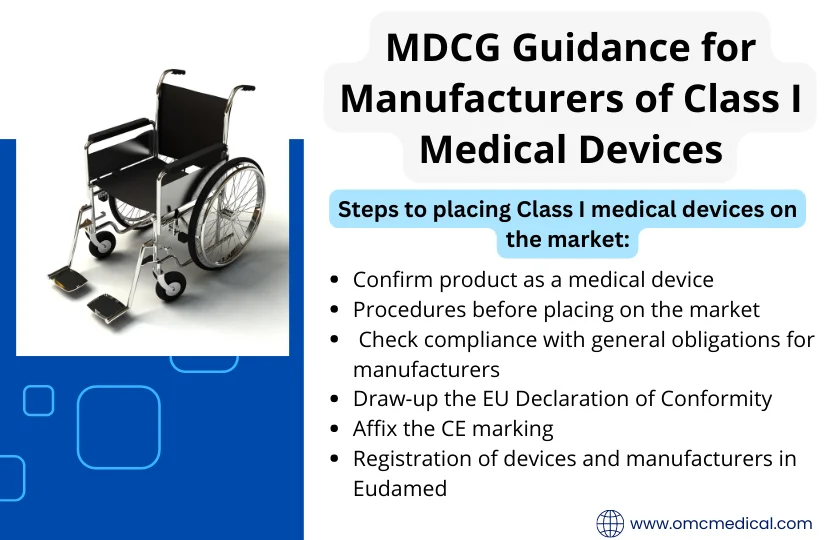
MDCG Guidance for Manufacturers of Class I Medical Devices

October 15, 2025

MDCG Guidance for Manufacturers of Class I Medical Devices
Learn More
LinkedIn Message on LinkedIn WhatsApp Start WhatsApp chat Call Call us